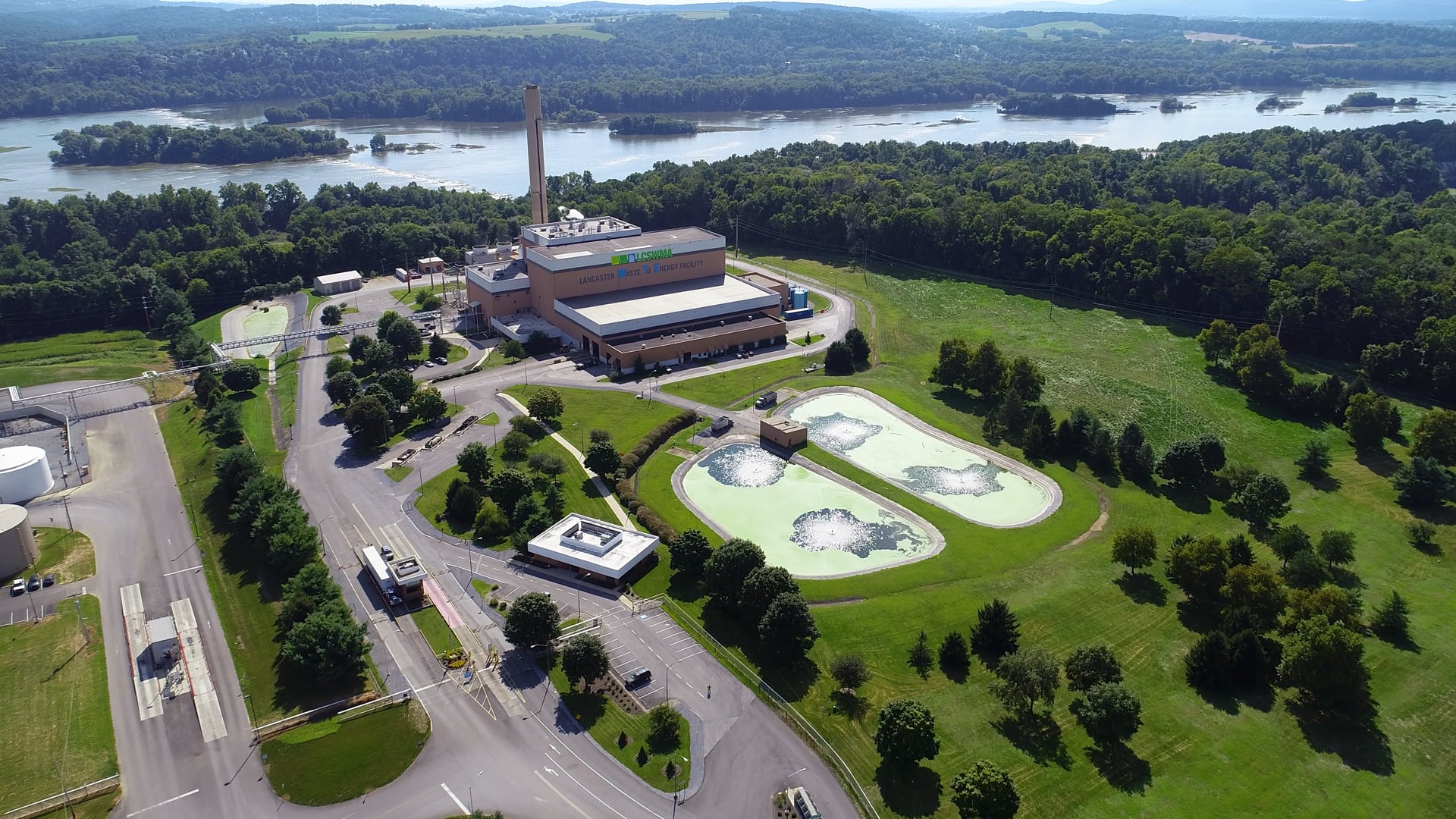
Turning Waste
Into Energy
Turning Waste and Trash into Clean, Renewable Energy
With our two waste-to-energy (WTE) facilities, we convert everyday waste into renewable energy, reducing landfill use while powering homes and businesses sustainably.
The Impact of Waste-to-Energy
292MTons of municipal solid waste (MSW) is generated in the U.S.
34MTons of MSW in the U.S. is processed via WTE in the U.S.
688K+Tons of (MSW) is generated in Lancaster County
280KTons of MSW in the U.S. is processed via WTE in the Lancaster County
WTE reduces the volume of waste by 90%, so less material is landfilled.
WTE recovers thousands of tons of metal that can’t be captured in traditional recycling.
WTE reduces 2.3 tons of greenhouse gas emissions for every one ton processed versus landfilling.
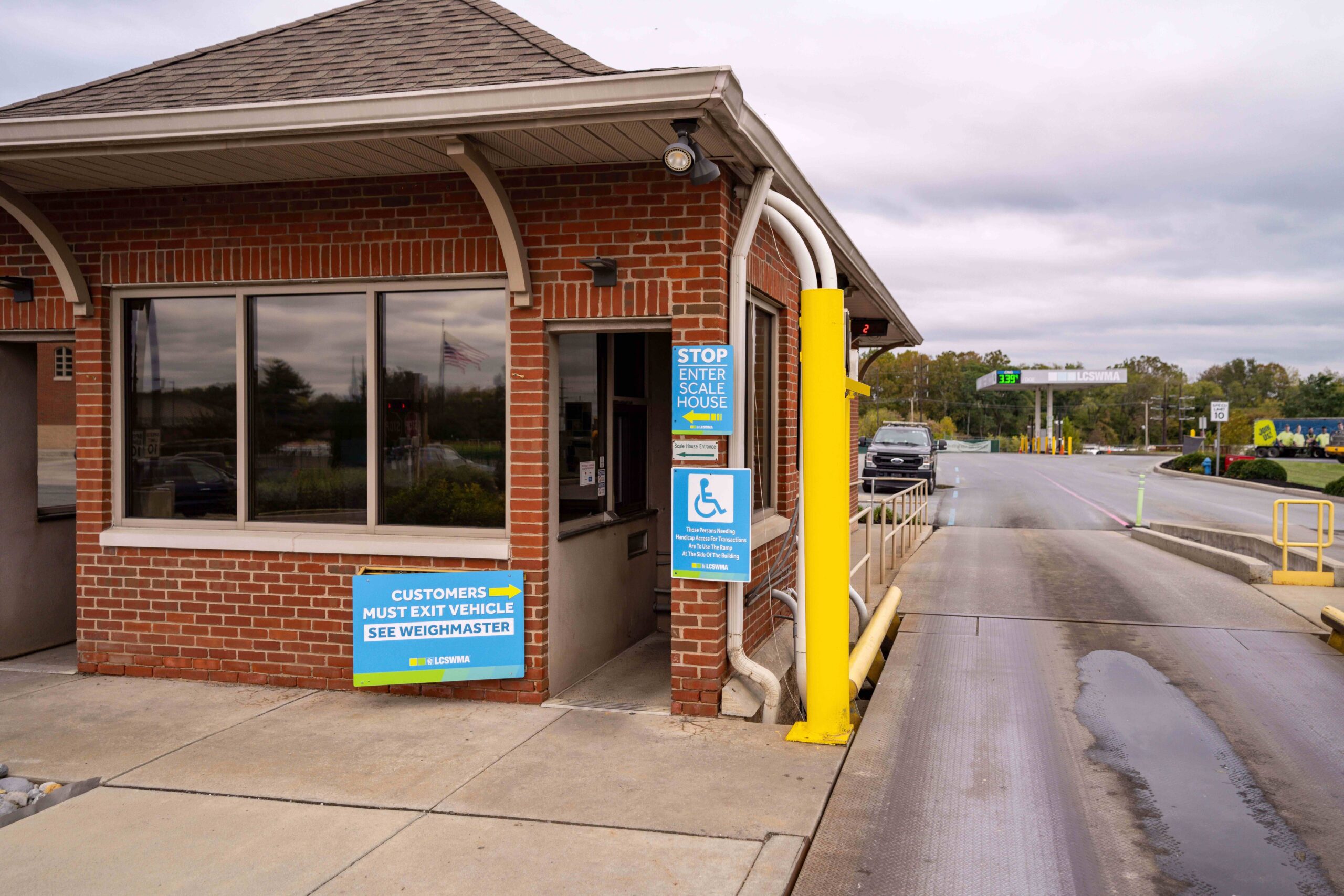
Powering our CommunitiesWant to dispose of your waste at one of our facilities?
How It Works
At LCSWMA’s Waste-to-Energy facilities, Municipal Solid Waste (MSW) is transformed using advanced technology, monitored by skilled operators from Reworld, a national leader in waste-to-energy technology. The waste-to-energy process can be broken down into six steps:
1. Tipping and Sorting
Trucks unload the waste, which is inspected on the tipping floor and is pushed into a deep storage pit
2. Combustion
A grapple picks up the waste and feeds it into a boiler, combusting it and turning it into ash
3. Creating Steam
Water tubes surrounding our three boilers are heated until the water turns to steam
4. Energy Generation
Steam spins a turbine that generates electricity for local homes and businesses
5. Metal Recovery
Ash from the combustion process is put on a conveyor belt, and valuable metals are extracted for recycling
6. Ash Reuse
Remaining ash is reused at the landfill for daily cover, reducing the need for soil and conserving landfill space