The Waste Ecosystem
The Bigger Picture
Trash impacts all of us, every day, in every community. Understanding how waste moves through our world helps us appreciate the many people, systems, and technologies working behind the scenes to protect public health, conserve resources, and preserve our environment. Together, these interconnected roles create The Waste Ecosystem.
Individuals and groups that create waste through daily living, work, and consumption.
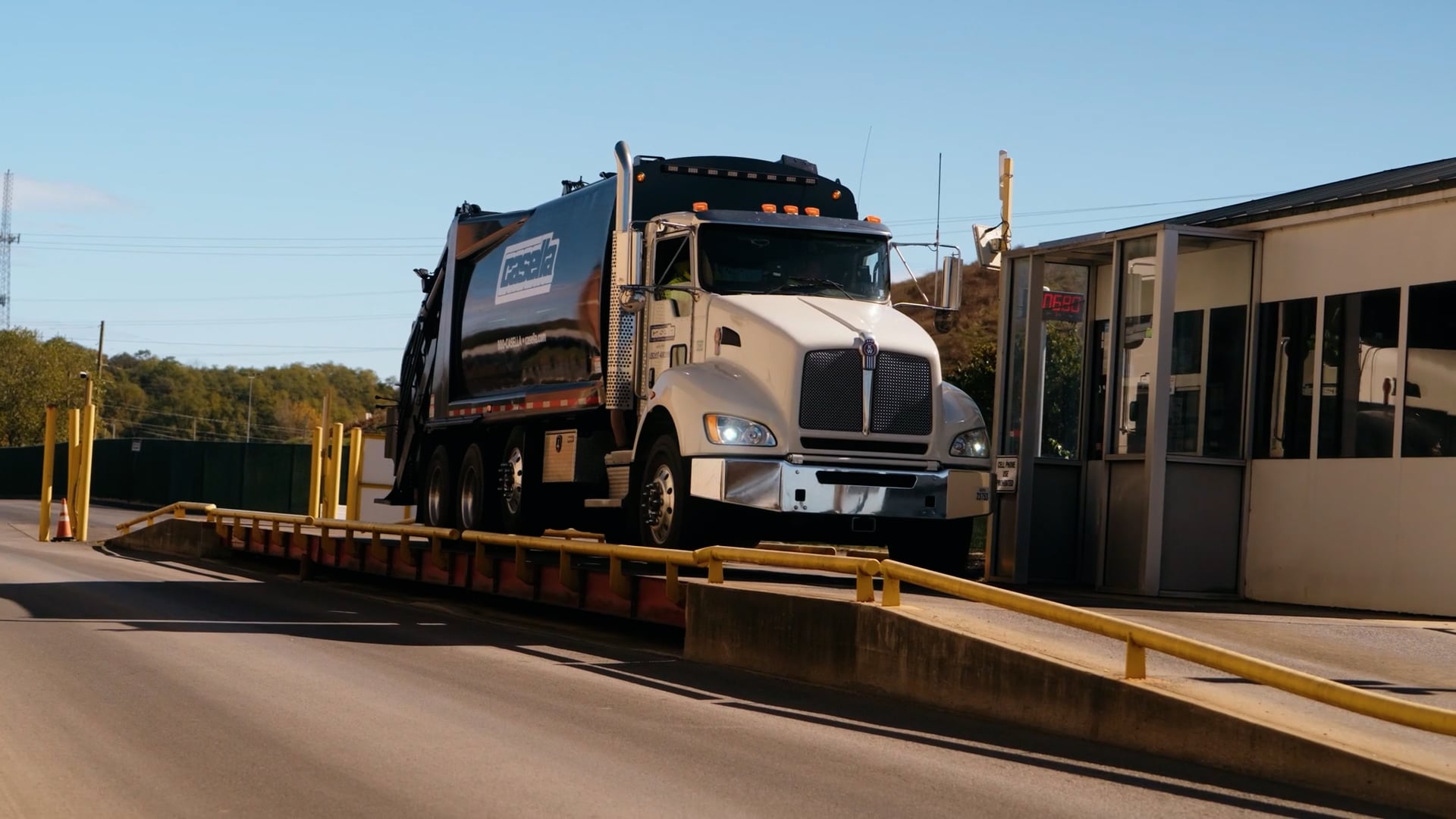
The transportation professionals who collect and deliver waste to processing facilities.
Operations that sort, process, and return recyclable materials to the manufacturing stream.
Sites where waste is safely transferred, converted to energy, or responsibly landfilled.
Engineers, scientists, and environmental experts who design, monitor, and improve waste systems.
Industry coalitions advancing best practices, safety, innovation, and education in waste management.
The natural world that all waste-management efforts aim to protect and preserve.
Local decision-makers who shape waste policies and investments for their communities.
How You Can Make a DifferenceEveryone plays an essential role in the waste ecosystem, and small actions add up.
How You Can Make a DifferenceBy reducing what you throw away, reusing materials, recycling properly, and supporting sustainable choices, you help protect the environment and keep the entire system running smoothly. The future of waste management begins with you.
Our Role in the Waste Ecosystem
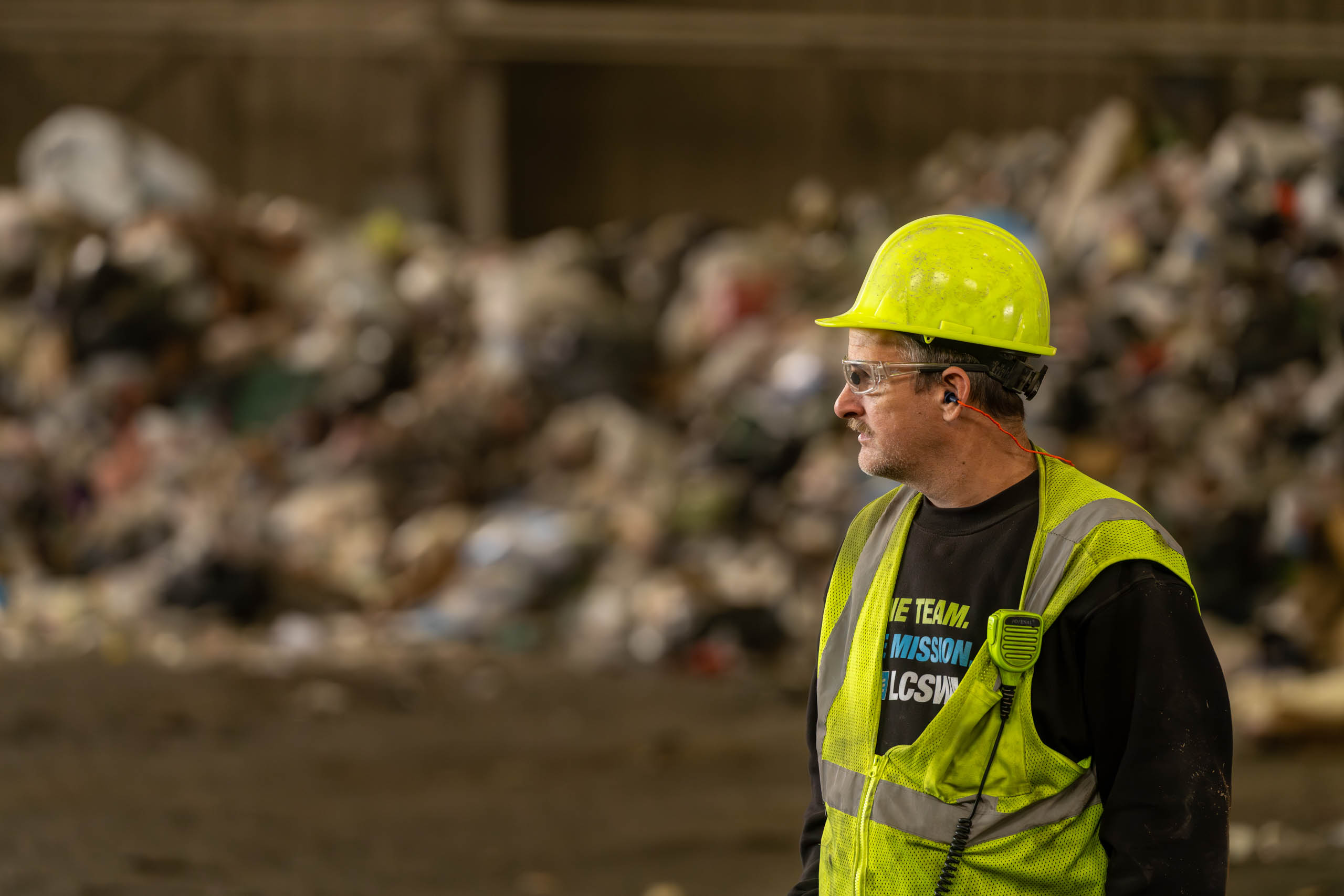
LCSWMA is a trusted leader in the waste industry, known for innovation, community partnership, and environmental stewardship. We operate best-in-class transfer, waste-to-energy, and landfill facilities that prioritize safety and sustainability. Our investments in clean energy, recycling, and emissions reduction help conserve natural resources and reduce our region’s carbon footprint. Beyond facility operations, we support community organizations, environmental education, and local development initiatives. Through forward-thinking solutions and collaboration, LCSWMA continues to advance a resilient, responsible waste system for future generations.
Learn More About These Roles
Generators
Everyone generates waste, including residents, businesses, institutions, and industries. Everything we throw away begins with a choice: how we buy, use, reuse, and eventually discard materials. As the starting point of the waste ecosystem, generators play a critical role in shaping what enters the waste stream. Daily decisions like properly recycling, reducing waste, and choosing sustainable products help minimize environmental impact and improve the efficiency of the entire system.
Haulers
Haulers connect generators to the rest of the waste ecosystem. Their work ensures waste is collected safely, reliably, and efficiently by preventing accumulation that could harm communities or the environment. Whether operating municipal routes or private collection services, haulers manage complex logistics, meet strict regulatory standards, and keep materials moving to the appropriate facilities for disposal or recovery.
Recovery Facilities (Recyclers)
Recovery facilities, such as material recovery facilities (MRFs), sort and process recyclable materials into high-quality commodities for reuse in manufacturing. By diverting materials from disposal and turning them into new products, recyclers conserve natural resources, reduce pollution, and strengthen the circular economy. Their work depends on proper recycling habits from generators and efficient transport from haulers.
Disposal Facilities
Disposal facilities include transfer stations, waste-to-energy plants, and landfills. Transfer stations consolidate materials to streamline transportation. Waste-to-energy facilities convert trash into renewable electricity, reducing landfill dependence and recovering valuable energy. Modern landfills use engineered systems to isolate waste and protect the surrounding environment. Together, these facilities provide safe, reliable, and environmentally responsible waste management solutions for the region.
STEM Professionals
Modern waste management depends on highly trained STEM professionals. Engineers design safe and efficient facilities, scientists monitor environmental impacts, and ecological specialists ensure regulatory compliance. Their expertise supports daily operations, including air emissions control, water quality protection, energy production, and recycling technologies. STEM professionals are vital in driving innovation and ensuring that waste systems operate sustainably and responsibly.
Waste Associations
Waste associations bring together leaders from across the industry to share research, develop standards, influence policy, and support innovation. These associations help guide the evolution of the waste sector by promoting safety, environmental stewardship, advancing technologies, and offering training programs. Their work ensures the industry remains forward-focused and aligned with both community and ecological needs.
The Environment
The environment (our air, water, soil, wildlife, and shared natural spaces) is at the heart of the waste ecosystem. Every part of the system exists to prevent pollution, conserve resources, and safeguard ecological health. Protecting the environment requires thoughtful planning, responsible operations, scientific innovation, and individual action. When each group plays its role effectively, everyone benefits from cleaner, healthier communities.
Community Leaders
Community leaders, including elected officials, municipal managers, and public administrators, set the direction for local waste management systems. They help determine service structures, facility investments, recycling programs, sustainability initiatives, and long-term planning. Their decisions influence public health, environmental quality, and community resilience. Effective leadership ensures waste services remain reliable, affordable, and aligned with community values.